An Analysis of "Samurai Song" by Robert Pinsky
Biography:
Robert Pinsky was born on October 20, 1940 in Long Branch, New Jersey. He is a poet, essayist, translator, teacher, and speaker. However, before Robert Pinsky was well known, he attended Long Branch High School. From there he went on to study at Rutgers University and earned his B.A. However, he did not finish his studies there. Stanford University is where he earned his M.A and Ph. D in creative writing ("Paul Valery").
In 1961, Robert Pinsky and Ellen Jane Bailey got married. Ellen Pinsky became a clinical psychologist and Robert Pinsky began teaching at Wellesley College. From Wellesley he went on to teach at the University of California. Currently he resides in Cambridge, Massachusetts and teaches a graduate writing program at Boston University. (poets.org)
His influences are his professors from Rutgers University, Francis Fergusson and Paul Fossel, and his professor from Stanford University, Yuor Winters. However, his poetry is heavily influenced by jazz music as well, which is not surprising since he did play saxophone. (poetryfoundation.org)
We can see the influence of jazz when analyzing his writing style. Much like the improvisation that makes jazz truly jazz, his poetry is abstract and fluid. In conjunction in his firm belief that poetry is powerful and exemplifies human intelligence, he also writes poetry simply for enjoyment. He treated poetry as may people treat music. (poetryfoundation.org)
“Poetry’s highest purpose is to provide a unique sensation of coordination between the
intelligence, emotions and the body. It’s one of the most fundamental pleasures a person can
experience.” - Robert Pinsky
His amazing talent has been and continues to be recognized. In 1974, Pinsky was awarded the National Endowment for the Humanities. In 1997, he was named a U.S. Poet Laureate. (poetryfoundation.org)
His talent is equal to his passion for poetry. He is so passionate that he founded the Favorite Poem Project. He created this organization because of his belief that poetry is critical to the culture of America. Because of his organization, he has opened opportunities for the diversity within the
United States to be showcased. (poetryfoundation.org)

Robert Pinsky

Rutgers University

Wellesley
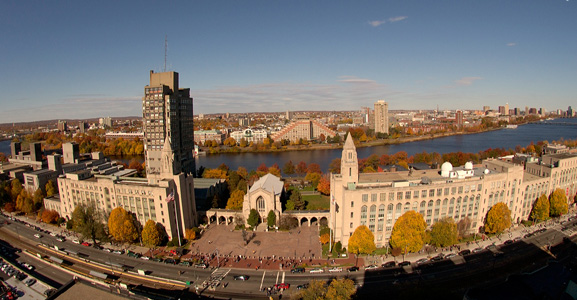
Boston University

Robert Pinsky Jazz
My Prediction:
When I first saw the title, I predicted the poem was going to be about observations made on the Japanese culture, or a poem about emotional isolation.
Paraphrase:
When I had no home I
Lived by taking risks. When I had
No food my eyes took everything in.
When I could not see I listened
When I could not hear I thought
When I could not think I waited
When I had no male figure I made
Improving myself my guide. When I had no
Mother I adopted a routine
When I had no friends I appointed
Silence as my friend. When I had no
Enemy I beat myself down.
When I had no spiritual escape I made
My voice my church, I do not have
A priest, my voice is my own song.
When I have no calling, destiny
Is my calling. When I have
Nothing, death will be my destiny
I live off of my needs, loneliness
Is my game plan. When I had
No love I chased unconsciousness.
Title- Revisited: The poem's title, reflects the poem's theme since a Samurai is independent of himself, and is self-sufficient when it comes to survival. The song of the Samurai is the speaker's oath to remind him of his detachment and independence from the world.
Connotations:
Shift:
In line 11 there is a shift because the speaker is not stating something that they don't have. Instead the speaker tells the audience what the speaker made for themselves.
Theme: Misfortunes and hardships in life, force one to be independent and find ways around every day problems.
Point of View:
First person. The speaker, not the poet, is speaking to an audience who have felt the struggles of life and to let them be aware that other are going through similar things.
Critical Lens:
Biographical Perspective: Throughout the poem "Samurai Song" the theme of self-sufficiency and independence throughout Pinsky's youth is evident, his repetition of "When I had no..." shows how even since he was young, Pinsky had to fend for himself. He uses the Samurai as a hero in a guise to reflect the obligation to affirm and inspire. This poem is an inquiry into what kind of person he is.
Social Power Perspective:
The human consciousness, held by the speaker's concepts, beliefs, and values all demonstrate his isolation in the poem "Samurai Song". His misfortunes and his lack of wealth show his view of the social classes as well, due to the lack of his opportunities. His social class is shown to be low throughout the poem, but this is completed through the speaker's solutions. This also ties into the theme of breaking barriers of social power through perseverance.
Literary Movement:
The literary movement most prevalent in Pinsky's poetry is the Modernist Movement. His writing and modernism share the focus on inner self and the consciousness of humanity. Jazz influences his writing and like jazz his poetry and modernism is very abstract and is easily portrayed differently, depending on the perspective and the individuality of each reader.
Task List:
Nicole
Poet Biography
Literary Movement/ Time period
Images
Digital story
TPCASTT
POV
Critical perspectives
Work cited
Study guide
MLA Work Cited:
Robert Pinsky was born on October 20, 1940 in Long Branch, New Jersey. He is a poet, essayist, translator, teacher, and speaker. However, before Robert Pinsky was well known, he attended Long Branch High School. From there he went on to study at Rutgers University and earned his B.A. However, he did not finish his studies there. Stanford University is where he earned his M.A and Ph. D in creative writing ("Paul Valery").
In 1961, Robert Pinsky and Ellen Jane Bailey got married. Ellen Pinsky became a clinical psychologist and Robert Pinsky began teaching at Wellesley College. From Wellesley he went on to teach at the University of California. Currently he resides in Cambridge, Massachusetts and teaches a graduate writing program at Boston University. (poets.org)
His influences are his professors from Rutgers University, Francis Fergusson and Paul Fossel, and his professor from Stanford University, Yuor Winters. However, his poetry is heavily influenced by jazz music as well, which is not surprising since he did play saxophone. (poetryfoundation.org)
We can see the influence of jazz when analyzing his writing style. Much like the improvisation that makes jazz truly jazz, his poetry is abstract and fluid. In conjunction in his firm belief that poetry is powerful and exemplifies human intelligence, he also writes poetry simply for enjoyment. He treated poetry as may people treat music. (poetryfoundation.org)
“Poetry’s highest purpose is to provide a unique sensation of coordination between the
intelligence, emotions and the body. It’s one of the most fundamental pleasures a person can
experience.” - Robert Pinsky
His amazing talent has been and continues to be recognized. In 1974, Pinsky was awarded the National Endowment for the Humanities. In 1997, he was named a U.S. Poet Laureate. (poetryfoundation.org)
His talent is equal to his passion for poetry. He is so passionate that he founded the Favorite Poem Project. He created this organization because of his belief that poetry is critical to the culture of America. Because of his organization, he has opened opportunities for the diversity within the
United States to be showcased. (poetryfoundation.org)
Robert Pinsky
Rutgers University
Wellesley
Boston University
Robert Pinsky Jazz
My Prediction:
When I first saw the title, I predicted the poem was going to be about observations made on the Japanese culture, or a poem about emotional isolation.
When I had no roof I made
Audacity my roof. When I had
No supper my eyes dined.
When I had no eyes I listened.
When I had no ears I thought.
When I had no thought I waited.
When I had no father I made
Care my father. When I had
No mother I embraced order.
When I had no friend I made
Quiet my friend. When I had no
Enemy I opposed my body.
When I had no temple I made
My voice my temple. I have
No priest, my tongue is my choir.
When I have no means fortune
Is my means. When I have
Nothing, death will be my fortune.
Need is my tactic, detachment
Is my strategy. When I had
No lover I courted my sleep.
When I had no home I
Lived by taking risks. When I had
No food my eyes took everything in.
When I could not see I listened
When I could not hear I thought
When I could not think I waited
When I had no male figure I made
Improving myself my guide. When I had no
Mother I adopted a routine
When I had no friends I appointed
Silence as my friend. When I had no
Enemy I beat myself down.
When I had no spiritual escape I made
My voice my church, I do not have
A priest, my voice is my own song.
When I have no calling, destiny
Is my calling. When I have
Nothing, death will be my destiny
I live off of my needs, loneliness
Is my game plan. When I had
No love I chased unconsciousness.
Title- Revisited: The poem's title, reflects the poem's theme since a Samurai is independent of himself, and is self-sufficient when it comes to survival. The song of the Samurai is the speaker's oath to remind him of his detachment and independence from the world.
Connotations:
- In stanzas 1-7 (lines 1-21) anaphora is shown through the repetition of "when I had no" at the beginning of each line to replace something the speaker lacks. This results in the circulation around the idea that the speaker has no problem with being self-sustaining when troubles arises, which shows his detachment from the world. This also ties back to the title "Samurai Song" to demonstrate that the speaker has adopted the Samurai's way of life by repeating a type of oath to show he has taken a vow.
- In the first stanza (lines 1-3) personification is used to describe "when I had no supper, my eyes dined" which is used for the purpose of emphasizing the idea that the Samurai can supply all that he needs himself, and even during starvation, the speaker's mind was occupied with observation, adding to the theme of self-sufficiency.
- Organized as 7 tercets, which is a nod to short Japanese forms (Haiku for example) Which emphasizes the cultural aspects of the poem as well.
- The final stanza describes the overall philosophy of life that the samurai follows and that should be admired because this can be applied to control the need for a lover.
- "The Samurai" is an extended metaphor of a soldier that is struggling to survive the simplistic things in life could be tiring and gruesome, especially when there is nobody there to support you, which is what the speaker portrays throughout the poem, "death will be my fortune" (stanza 6 lines 17-18)
- Internal Rhyme is shown throughout the poem in most of the stanzas. "When I had no ROOF, I made audacity my ROOF"(stanza 1 lines 1-2). This sound device emphasized the fact that it sounds like half of a song, which shows the meaning of the poem which portrays the speaker as having half of something as well.
Shift:
In line 11 there is a shift because the speaker is not stating something that they don't have. Instead the speaker tells the audience what the speaker made for themselves.
Theme: Misfortunes and hardships in life, force one to be independent and find ways around every day problems.
Point of View:
First person. The speaker, not the poet, is speaking to an audience who have felt the struggles of life and to let them be aware that other are going through similar things.
Critical Lens:
Biographical Perspective: Throughout the poem "Samurai Song" the theme of self-sufficiency and independence throughout Pinsky's youth is evident, his repetition of "When I had no..." shows how even since he was young, Pinsky had to fend for himself. He uses the Samurai as a hero in a guise to reflect the obligation to affirm and inspire. This poem is an inquiry into what kind of person he is.
Social Power Perspective:
The human consciousness, held by the speaker's concepts, beliefs, and values all demonstrate his isolation in the poem "Samurai Song". His misfortunes and his lack of wealth show his view of the social classes as well, due to the lack of his opportunities. His social class is shown to be low throughout the poem, but this is completed through the speaker's solutions. This also ties into the theme of breaking barriers of social power through perseverance.
Literary Movement:
The literary movement most prevalent in Pinsky's poetry is the Modernist Movement. His writing and modernism share the focus on inner self and the consciousness of humanity. Jazz influences his writing and like jazz his poetry and modernism is very abstract and is easily portrayed differently, depending on the perspective and the individuality of each reader.
Task List:
Nicole
Poet Biography
Literary Movement/ Time period
Images
Digital story
TPCASTT
POV
Critical perspectives
Work cited
Study guide
MLA Work Cited:
“About Robert Pinsky.” Robert Pinsky, robertpinskypoet.com/bio/.
“Paul Valéry.” Poets.org, Academy of American Poets, 21 Apr. 2016,
Pinsky, Robert. “Samurai Song by Robert Pinsky.” Poetry Foundation, Poetry Foundation,
www.poetryfoundation.org/poems/57103/samurai-song.
“Poetry Day: Poemjazz with Robert Pinsky and Laurence Hobgood.” Poetry Foundation, Poetry Foundation.
Comments
Post a Comment